The Importance of Artificial Intelligence in Monitoring and Managing Traffic in Smart Cities
The rapid urbanization of the 21st century has led to unprecedented challenges in urban mobility. With over 56% of the world’s population now living in cities—a figure projected to rise to 68% by 2050 according to the United Nations—urban congestion, air pollution, and inefficient transportation are critical issues that require innovative solutions. As cities embrace the concept of “smart cities,” artificial intelligence (AI) is emerging as a transformative force in monitoring and managing urban traffic. AI-driven traffic management doesn’t just promise smoother commutes; it underpins safer roads, cleaner air, and smarter use of city infrastructure.
This article delves into the pivotal role AI is playing in revolutionizing traffic management in smart cities, exploring the technology’s applications, benefits, real-world examples, challenges, and future potential. Whether you’re a city planner, commuter, or technology enthusiast, understanding the impact of AI in this domain is essential for grasping the future of urban mobility.
How AI Transforms Urban Traffic Monitoring
Traditional traffic management systems rely heavily on static traffic signals, human operators, and basic sensors. While these systems can manage simple traffic flows, they often fail to adapt to dynamic and unpredictable conditions. AI, on the other hand, brings a new level of intelligence and adaptability to traffic management.
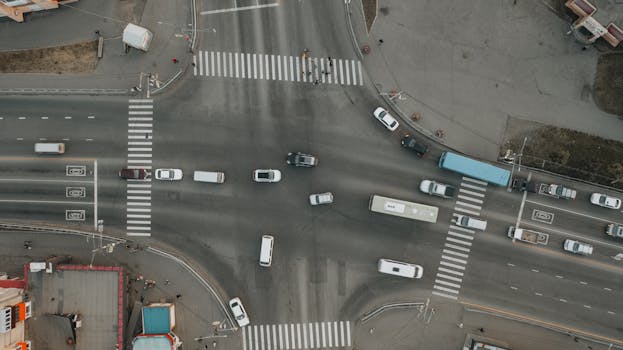
AI-powered systems collect and analyze data from a wide range of sources: traffic cameras, GPS devices, connected vehicles, social media feeds, and even weather sensors. Machine learning algorithms process this data in real time to detect patterns, predict congestion, and identify incidents such as accidents or road blockages. For example, the city of Hangzhou in China implemented Alibaba’s AI-powered “City Brain” project, which led to a 15% increase in average traffic speed and a 48% reduction in traffic violations.
One of the key advantages of AI is its ability to continuously learn and adapt. By analyzing millions of data points, AI systems can adjust traffic signal timings dynamically, reroute vehicles, and provide timely alerts to drivers and city officials. This creates a feedback loop that enables cities to respond proactively instead of reactively.
Enhancing Traffic Flow and Reducing Congestion
Traffic congestion costs the global economy billions of dollars each year. In the United States alone, drivers lost an average of 51 hours to congestion in 2022, resulting in an estimated $81 billion in lost productivity according to INRIX.
AI optimizes traffic flow by:
1. Dynamic Signal Control: AI algorithms adjust traffic lights based on real-time traffic conditions rather than pre-set schedules. For example, Pittsburgh’s smart traffic lights, developed by Rapid Flow Technologies, reduced travel time by 25% and idling time at intersections by over 40%. 2. Predictive Analytics: By forecasting traffic patterns based on historical and current data, AI systems can implement preemptive measures—such as opening additional lanes or deploying incident response teams—before congestion escalates. 3. Smart Routing: AI-powered navigation apps like Waze and Google Maps use crowd-sourced and sensor data to suggest the fastest routes, reducing bottlenecks and distributing traffic more evenly across the network. 4. Incident Detection and Management: AI can detect accidents or stalled vehicles within seconds and automatically trigger responses, such as rerouting traffic or dispatching emergency services.These capabilities not only ease congestion but also help reduce fuel consumption and emissions by cutting idle times and stop-and-go driving.
Improving Road Safety Through AI
Safety is a cornerstone of smart city traffic management. According to the World Health Organization, over 1.3 million people die each year in road traffic crashes, with urban areas accounting for a disproportionate share of these fatalities.
AI enhances road safety through:
- Real-Time Hazard Detection: AI-powered cameras and sensors detect dangerous behaviors such as speeding, running red lights, or illegal turns. In Barcelona, AI-based surveillance has reduced traffic violations by 20% since 2020. - Automated Incident Response: When an accident or hazardous condition is detected, AI systems can instantly notify emergency responders and redirect traffic around the scene, minimizing secondary accidents. - Pedestrian and Cyclist Protection: Advanced AI systems can recognize vulnerable road users and prioritize their safety by adjusting traffic signals or issuing warnings to approaching vehicles. - Predictive Policing: AI analyzes historical accident data to identify high-risk areas and times, enabling targeted law enforcement and preventive measures.These interventions not only save lives but also promote a culture of safe and responsible urban mobility.
Environmental Benefits of AI-Driven Traffic Management
Urban transportation is a major contributor to air pollution and greenhouse gas emissions. According to the International Energy Agency, road transport accounted for 24% of global energy-related CO2 emissions in 2022.
AI-driven traffic management addresses environmental challenges by:
- Reducing Vehicle Emissions: Smoother traffic flow and minimized idling significantly cut carbon emissions. In Los Angeles, the Automated Traffic Surveillance and Control (ATSAC) system reduced CO2 emissions by an estimated 35,000 tons annually. - Supporting Public Transit Optimization: AI helps synchronize buses and trains with traffic signals, reducing delays and making public transit a more attractive alternative to private cars. - Enabling Low-Emission Zones: AI can monitor and enforce low-emission areas by identifying vehicles with high emissions and restricting their access during peak pollution periods.The table below compares traditional traffic management with AI-powered systems across key environmental metrics:
| Metric | Traditional Systems | AI-Powered Systems |
|---|---|---|
| CO2 Emissions Reduction | 5-10% | 15-30% |
| Average Vehicle Idling Time | 3-5 minutes per trip | 1-2 minutes per trip |
| Public Transit Punctuality | 75-80% | 90-95% |
| Traffic Volume During Peak Hours | Unchanged | Redistributed/Reduced by up to 20% |
Real-World Implementations and Success Stories
Cities around the world are embracing AI solutions for traffic management with impressive results:
- Singapore’s Intelligent Transport System uses AI to manage traffic signals, coordinate public transit, and monitor real-time traffic conditions. This system has contributed to Singapore’s reputation for some of the world’s smoothest urban traffic flows, with average road speeds of 27 km/h during peak hours (compared to 16 km/h in similarly dense cities). - The city of London employs AI-based congestion charging, adjusting tolls based on real-time traffic data. Since its introduction, central London has seen a 30% reduction in congestion and a 12% drop in emissions. - In Tel Aviv, AI systems analyze camera feeds and sensor data to optimize traffic light cycles, leading to a reported 20% reduction in travel time during rush hours.These cases demonstrate how AI turns data into actionable insights, transforming urban mobility and improving residents’ quality of life.
Challenges and Considerations in Implementing AI for Traffic Management
Despite its promise, deploying AI in smart city traffic systems is not without challenges:
- Data Privacy and Security: Collecting and processing vast amounts of data raises concerns about individual privacy and the potential for cyberattacks. Ensuring robust data protection is paramount. - Integration with Legacy Infrastructure: Many cities still operate with outdated traffic systems. Integrating AI often requires substantial investment in new sensors, communication networks, and control centers. - Algorithmic Bias: AI systems are only as good as the data they are trained on. Incomplete or biased data can lead to unfair or ineffective traffic management decisions. - Scalability: While pilot projects may succeed in limited areas, scaling AI traffic management citywide requires careful planning, coordination, and ongoing investment.Despite these hurdles, the long-term benefits of AI-driven traffic management make it a compelling choice for forward-thinking cities.
The Future of AI in Smart City Mobility
Looking ahead, the role of AI in traffic management is poised to expand dramatically. Integration with autonomous vehicles, further advancements in edge computing, and the proliferation of 5G networks will enable even faster and more reliable data processing. Emerging technologies such as swarm intelligence, where vehicles and infrastructure communicate and coordinate like a hive mind, will further enhance urban mobility.
Moreover, as AI systems become more transparent and accountable, public trust in these technologies is likely to grow. The continued collaboration between governments, technology companies, and citizens will be key to realizing the full potential of AI-driven traffic management.
Smart cities that invest in AI today are laying the foundation for safer, cleaner, and more efficient urban environments for generations to come.