In today’s fast-moving digital landscape, artificial intelligence (AI) sensors have become indispensable in a range of industries, from manufacturing to transportation, healthcare, and beyond. At the heart of their value lies not just the collection of data, but the ability to analyze that data instantly, driving better, faster decisions. Data analysis from AI sensors can dramatically improve real-time decision making, reduce errors, and boost efficiency. But how does this process truly work, and what strategies can organizations adopt to maximize its benefits? Let’s explore the powerful synergy between AI sensors and data analysis, and how it’s changing the way real-time decisions are made across the globe.
The Evolution of AI Sensors and Real-Time Data Analysis
AI sensors are far more than just data collectors; they are intelligent devices equipped with machine learning algorithms that process and interpret data on the spot. Unlike traditional sensors, which simply transmit raw data to a central server for processing, AI sensors can analyze information at the “edge”—that is, right where the data is generated.
According to MarketsandMarkets, the global AI sensor market is projected to grow from $8.7 billion in 2023 to $22.1 billion by 2028, at a CAGR of 20.5%. This explosive growth is driven by industries’ increasing need for quick, reliable, and actionable insights from massive streams of sensor data.
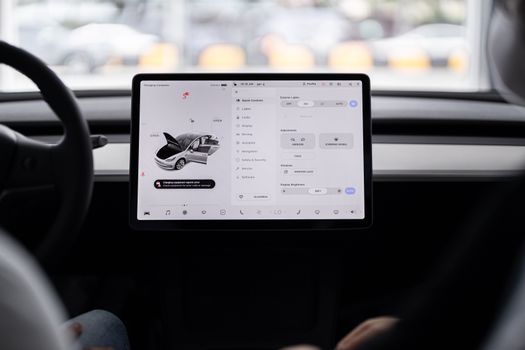
Real-time data analysis means that sensor-generated information is processed within milliseconds, empowering systems to respond instantly to changing conditions. For example, in autonomous vehicles, AI sensors continuously analyze data from cameras, radar, and lidar to make split-second decisions that ensure passenger safety. Similarly, in manufacturing, AI sensors detect equipment anomalies in real time, preventing costly downtime.
Key Benefits of AI Sensor Data Analysis for Real-Time Decisions
The advantages of leveraging AI sensors for real-time data analysis are far-reaching:
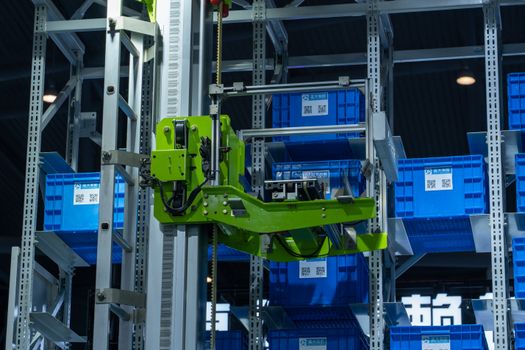
1. Faster Response Times: By analyzing data locally, AI sensors reduce the latency that comes with sending information to a remote server. For instance, a smart grid using AI sensors can rebalance electricity loads in real time to avoid blackouts. 2. Improved Accuracy: AI algorithms can filter out noise, detect patterns, and learn from previous data, increasing the precision of decisions. In healthcare, AI-enabled biosensors can differentiate between benign and critical patient conditions with up to 94% accuracy, according to a 2022 study published in Nature Digital Medicine. 3. Enhanced Efficiency: Automating real-time decisions reduces human intervention and operational delays. For example, smart warehouses use AI sensors to optimize inventory management, minimizing out-of-stock events and overstock. 4. Cost Reduction: By catching issues early and automating routine responses, organizations can avoid expensive failures and reduce resource consumption. Gartner estimates that predictive maintenance using AI sensors can lower maintenance costs by as much as 25%. 5. Scalability: AI sensors can be deployed across large networks, such as citywide transportation systems, scaling their analytical power as needed.How AI Sensors Enable Real-Time Decision Making: A Step-by-Step Overview
Understanding how AI sensors drive real-time decisions requires a look at the typical workflow:
1. Data Acquisition: Sensors embedded in devices, machinery, or environments continuously collect raw data—such as temperature, pressure, movement, or sound. 2. Edge Processing: The AI sensor’s onboard processor runs algorithms that immediately filter, clean, and analyze incoming data. This step is known as edge computing. 3. Pattern Recognition: Machine learning models within the sensor identify trends, anomalies, or trigger events based on historical and real-time data. 4. Decision Trigger: When a predefined threshold or pattern is detected, the AI sensor initiates an action—such as sending an alert, shutting down a machine, or rerouting traffic. 5. Feedback Loop: The outcome of each decision is fed back into the AI model, enabling continual learning and refinement for even better future responses.This process is extraordinarily fast. For example, in industrial robotics, the full cycle of data capture, analysis, and action can take less than 100 milliseconds, a speed critical for safety and efficiency.
Comparing Traditional vs. AI-Driven Sensor Data Analysis
To highlight the differences between conventional sensor data analysis and AI-powered solutions, consider the following comparison table:
| Feature | Traditional Sensors | AI Sensors |
|---|---|---|
| Data Processing Location | Centralized server/cloud | On-device (edge) |
| Latency | High (seconds to minutes) | Low (milliseconds) |
| Decision Speed | Delayed (batch processing) | Real-time (instantaneous) |
| Scalability | Limited by network/server capacity | Easily scalable with distributed devices |
| Adaptability | Static, rule-based | Dynamic, self-learning |
| Error Detection | Reactive | Proactive and predictive |
| Example Use Case | Periodic temperature checks in cold storage | Immediate detection and correction of temperature fluctuations |
This side-by-side comparison illustrates why industries are rapidly shifting towards AI-powered sensor systems, especially when real-time insights and actions are critical.
Industry Examples: AI Sensor Data Analysis in Action
Let’s look at how real-time data analysis from AI sensors is transforming decision making in several sectors:
Manufacturing: Factory floors equipped with AI sensors can detect equipment wear or misalignment in real time. A 2023 report by Deloitte found that predictive maintenance using AI sensors can reduce unplanned downtime by up to 50%.
Transportation: AI sensors in traffic systems analyze vehicle flow and pedestrian movement, adjusting signal timings on the fly to prevent jams. In 2022, the city of Hangzhou, China, implemented an AI-powered traffic management system that reduced congestion by 15% and emergency response times by 30%.
Healthcare: Wearable AI biosensors track vital signs and immediately alert caregivers to critical changes. The Cleveland Clinic reported that AI-driven cardiac sensors reduced time-to-intervention for heart failure patients by 25%.
Retail: Smart shelves with AI sensors monitor inventory in real time, automatically triggering restocks and reducing lost sales due to empty shelves. Walmart’s adoption of AI shelf sensors led to a reported 16% improvement in shelf availability in test stores.
Best Practices for Optimizing Data Analysis from AI Sensors
To fully harness the power of AI sensors for real-time decision making, organizations should consider these best practices:
1. Choose the Right Sensor for Each Application: Not all sensors are created equal. Select devices that match both the data needs and environmental conditions of your deployment. 2. Ensure Data Quality and Security: High-quality data is essential for accurate AI analysis. Employ regular calibration and robust cybersecurity measures to protect against tampering or data breaches. 3. Integrate with Existing Systems: AI sensors should seamlessly connect with enterprise resource planning (ERP), manufacturing execution systems (MES), or other business platforms to ensure insights are actionable. 4. Employ Continuous Learning: Leverage AI models that adapt over time. By feeding back the results of each decision, sensors get smarter and more effective. 5. Monitor Performance Metrics: Track key indicators such as decision latency, false positive/negative rates, and maintenance savings to quantify the impact of AI sensor deployment. 6. Prioritize User Training: Staff should understand how to interpret sensor data and respond appropriately to AI-driven recommendations.Future Trends: Where AI Sensor Data Analysis is Headed
The field of AI sensor data analysis is advancing rapidly. Several trends are likely to shape the future of real-time decision making:
- Edge AI and 5G: The rollout of 5G networks will enable even faster data transfer and lower latency, enhancing the capabilities of edge AI sensors in smart cities and autonomous vehicles. - Sensor Fusion: Combining data from multiple types of sensors (visual, audio, environmental) increases accuracy and contextual awareness. - Explainable AI: As AI sensors take on more decision-making roles, there’s growing demand for transparency. Explainable AI techniques will help users understand the rationale behind automated actions. - Autonomous Operations: Industries such as mining and oil & gas are moving towards fully automated operations where AI sensors handle most decisions with minimal human oversight. - Environmental Monitoring: Climate change concerns are spurring the use of AI sensors for real-time pollution, water quality, and wildlife tracking.According to IDC, by 2025, over 55.7 billion connected IoT devices will be in use worldwide, and a significant proportion will be AI-enabled sensors. This surge will make real-time, data-driven decision making the norm across many facets of modern life.
Unlocking the Power of AI Sensor Data Analysis for Real-Time Decisions
Data analysis from AI sensors is revolutionizing how organizations and communities make decisions. By processing information instantly at the edge, AI sensors deliver unprecedented speed, accuracy, and efficiency. Whether it’s preventing machinery failures, optimizing traffic, or saving lives in healthcare, the impact is profound and growing.
To stay ahead, businesses must adopt best practices in sensor selection, integration, and AI model development, while keeping an eye on future trends. As AI sensors become more sophisticated and widespread, the ability to harness their real-time insights will separate industry leaders from laggards.