The Integration of AI-Enabled Sensors into IoT: Practical Examples and Real-World Challenges
The digital landscape is undergoing rapid transformation, with the Internet of Things (IoT) at the forefront of this evolution. Today, the convergence of AI-enabled sensors and IoT networks is unlocking unprecedented possibilities, allowing everyday objects to sense, analyze, and act on data in real time. This synergy is powering everything from smart homes to precision agriculture, but it also introduces a complex array of challenges. In this article, we will explore practical examples of AI-enabled sensor integration into IoT systems, examine the tangible benefits, and address the practical challenges that organizations must overcome to realize the full potential of this technological marriage.
How AI-Enabled Sensors Are Transforming IoT Devices
Traditional IoT sensors collect and transmit data to central servers, where analysis and decision-making take place. However, AI-enabled sensors bring intelligence to the edge—processing data on or near the device itself. This approach, often called "edge AI," is reshaping how IoT networks operate.
For example, a conventional temperature sensor in a smart building might simply relay readings to the cloud. An AI-enabled sensor, however, can detect abnormal patterns, filter out noise, and trigger immediate actions (like adjusting HVAC systems) without external input. According to a 2023 report by Statista, the number of IoT devices is projected to surpass 29 billion by 2030, and over 40% are expected to feature on-device intelligence.
Key benefits of integrating AI into IoT sensors include:
- Real-time decision making: By processing data locally, AI sensors enable instant responses. - Reduced bandwidth usage: Only significant or anomalous data is transmitted, lowering network congestion. - Enhanced privacy: Sensitive data can be analyzed on-device, reducing exposure to external threats.This shift from passive sensing to intelligent action is fueling innovations across industries, as we will see in the following sections.
Practical Examples of AI-Enabled Sensor Integration in IoT
AI-enabled sensors are making waves in diverse sectors by enabling more sophisticated, context-aware IoT applications. Here are some real-world examples:
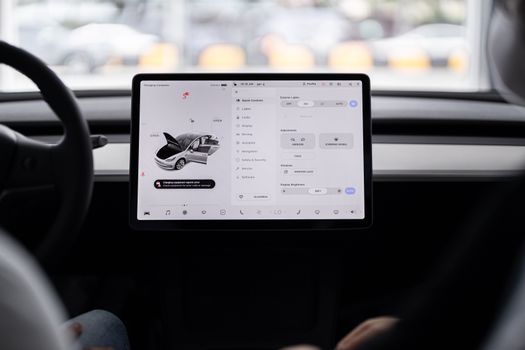
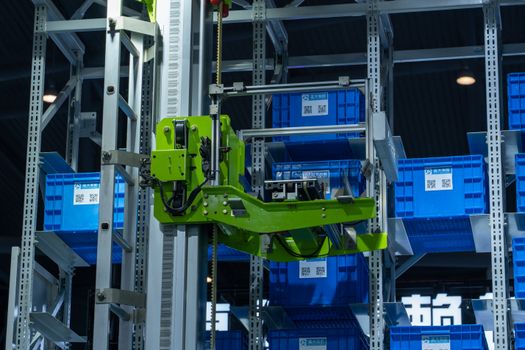
1. Smart Manufacturing: In modern factories, AI-powered vibration and acoustic sensors monitor equipment health. These sensors detect minute deviations in sound or movement patterns, predicting failures before they occur. For example, Siemens’ MindSphere platform allows AI sensors to identify anomalies in machinery, reducing unplanned downtime by up to 30%. 2. Environmental Monitoring: AI-enabled air quality sensors, such as those deployed in California’s wildfire-prone regions, analyze particulate patterns in real time. By distinguishing between pollution sources (e.g., smoke vs. dust), they help authorities issue targeted health advisories. 3. Retail Analytics: Large retailers use AI vision sensors to monitor in-store traffic. By analyzing movement patterns, shelf dwell times, and customer behaviors, these systems optimize store layouts and promotions. Walmart, for instance, uses AI-powered IoT cameras to reduce checkout wait times by 15% through dynamic staffing. 4. Autonomous Vehicles: Self-driving cars rely on a suite of AI-enabled LiDAR, radar, and camera sensors. These sensors process vast amounts of data on the vehicle itself, enabling split-second navigation and obstacle avoidance. Tesla’s vehicles, for example, process up to 40 terabytes of sensor data per day. 5. Precision Agriculture: AI sensors embedded in soil probes or drones analyze moisture, nutrient levels, and crop health. John Deere’s See & Spray technology uses AI vision to identify weeds in real time, reducing herbicide use by 77% according to field trials.These examples illustrate how the integration of AI and IoT sensors is not a futuristic vision—it is revolutionizing operations today.
Key Benefits: Comparing AI-Enabled Sensors with Conventional IoT Sensors
The move from traditional to AI-enabled IoT sensors brings a host of advantages, but also involves trade-offs in complexity and cost. The following table highlights key differences:
| Feature | Conventional IoT Sensors | AI-Enabled Sensors |
|---|---|---|
| Data Processing | Centralized (cloud or server) | On-device (edge) |
| Response Time | Slower (dependent on network) | Real-time (milliseconds) |
| Bandwidth Usage | High (all data sent) | Low (only relevant insights sent) |
| Energy Consumption | Generally lower | Potentially higher (due to local computation) |
| Privacy | Data exposed during transmission | Greater privacy (data processed locally) |
| Cost | Lower initial cost | Higher upfront investment |
| Maintenance Complexity | Simple (firmware updates) | More complex (AI model updates) |
While AI-enabled sensors offer speed, privacy, and smarter operation, they require a more sophisticated approach to deployment and maintenance.
Technical and Operational Challenges in AI Sensor Integration
Despite their promise, integrating AI-enabled sensors into IoT systems is far from straightforward. Organizations must navigate several challenges:
1. Data Quality and Diversity: AI models thrive on high-quality, diverse datasets. Inconsistent sensor calibration or environmental changes can degrade performance. For instance, AI vision sensors in agriculture must adapt to changing lighting or weather conditions. 2. Hardware Constraints: Edge devices often have limited processing power and memory. Running advanced AI algorithms on resource-constrained sensors demands efficient, lightweight models. According to ARM, less than 15% of IoT devices in 2022 had the capability to run deep learning models natively. 3. Power Consumption: Processing data locally increases energy use. In battery-powered sensors, this can drastically reduce operational life. Solutions like event-driven AI processing or low-power hardware accelerators are being developed, but cost and complexity remain barriers. 4. Model Updates and Maintenance: Unlike traditional sensors, AI-enabled devices require periodic retraining and software updates. Over-the-air (OTA) updates can be risky if not securely managed—research from Palo Alto Networks found that 57% of IoT device vulnerabilities in 2023 were related to insecure firmware or software updates. 5. Interoperability: Integrating heterogeneous AI sensors into existing IoT platforms can be difficult due to the lack of universal standards. Ensuring that devices from different vendors communicate seamlessly remains a technical hurdle. 6. Security: AI models themselves can be vulnerable to adversarial attacks or data poisoning, leading to incorrect decisions. Robust encryption and secure boot processes are essential to mitigate these risks.Addressing these challenges requires collaboration between hardware designers, AI developers, and IoT integrators, as well as thoughtful planning at every stage of the deployment lifecycle.
Regulatory and Ethical Considerations in AI-IoT Integration
As AI-enabled sensors proliferate, regulatory and ethical questions are moving to the forefront:
- Privacy Laws: Regulations like the EU’s General Data Protection Regulation (GDPR) and California’s Consumer Privacy Act (CCPA) impose strict requirements on data collection, storage, and processing. AI sensors that process personal data (e.g., facial recognition in public spaces) must ensure compliance through techniques such as on-device anonymization and data minimization. - Transparency and Accountability: Decisions made by AI sensors, especially in safety-critical applications (like healthcare or autonomous vehicles), must be explainable. New standards, such as ISO/IEC 22989 (AI concepts and terminology), are emerging to guide responsible AI use in IoT. - Environmental Impact: The proliferation of AI-enabled devices raises concerns about electronic waste and lifecycle carbon footprint. According to the World Economic Forum, e-waste reached 53.6 million metric tons in 2022. Manufacturers are now exploring recyclable materials and energy-efficient designs. - Fairness and Bias: AI sensors trained on biased data can reinforce societal inequalities. For example, facial recognition sensors have been shown to perform less accurately on individuals with darker skin tones. Ongoing efforts aim to improve dataset diversity and model fairness.Navigating this regulatory landscape is crucial for organizations looking to deploy AI-enabled IoT solutions at scale.
Future Outlook: Unlocking the Potential of AI-Enabled IoT Sensors
The integration of AI-enabled sensors into IoT is still in its early stages, but the trajectory is clear. As hardware becomes more powerful and AI algorithms more efficient, the range of practical applications will continue to expand.
Gartner predicts that by 2025, over 60% of enterprise-generated data will be processed at the edge, up from just 10% in 2018. This shift will accelerate the adoption of AI-powered sensors, enabling smarter cities, more resilient supply chains, and personalized healthcare.
Emerging trends to watch include:
- Federated Learning: Allowing AI sensors to learn collaboratively without sharing raw data, improving privacy and performance. - TinyML: Developing ultra-lightweight machine learning models for ultra-low-power devices. - Self-healing Networks: AI sensors that can autonomously detect and recover from faults in IoT systems.Despite the challenges, the benefits of AI-enabled IoT sensors are too significant to ignore. The organizations that successfully navigate integration hurdles will be well-positioned to lead in the next era of digital transformation.